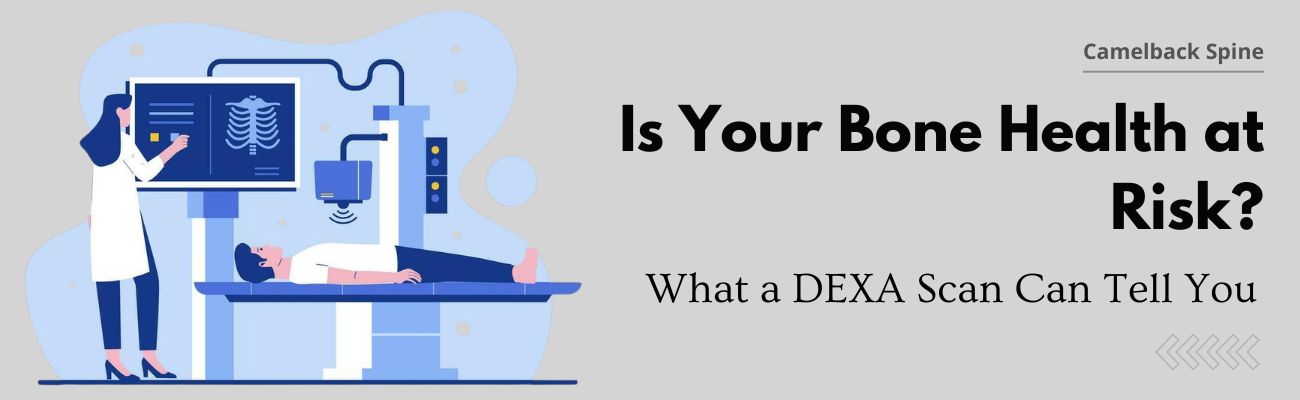
If you have just received a recommendation from your doctor for a bone density test, you may have questions about the procedure, whether it hurts, and why it's important. You're not alone. Millions of Americans get this test every year, yet many aren't sure what the results indicate, and they don't know if they should be worried.
What Is a DEXA Scan?
- The lower spine (the last section of the spine, called the lumbar vertebrae)
- The hip (femoral neck)
What Does the Test Actually Measure?
| T-score | What It Means |
| -1.0 and above | Normal Bone Density |
| Between -1.0 and -2.5 | Low Bone Mass (osteopenia) |
| -2.5 and below | Osteoporosis |
Who Should Get a DEXA Scan?
- Women age 65 and older — routine screening is advised
- Postmenopausal women under 65 — who have risk factors (early menopause, low body weight, family history of fractures)
- Men age 70 and older
- Anyone who has broken a bone after a minor injury or fall
- People on long-term corticosteroid medications (like prednisone)
- Individuals with conditions such as rheumatoid arthritis, celiac disease, or chronic kidney disease
What Are the Warning Signs of Low Bone Density?
- Loss of height over time — even an inch can indicate spinal compression fractures
- A stooped or curved posture (kyphosis)
- Back pain with no clear cause
- Bones that break more easily than expected — from a minor fall or even a cough
- Receding gums, which may indicate jawbone loss
How to Prepare for a DEXA Scan
- Avoid calcium supplements for at least 24 hours before the test, it can affect the test results.
- Wear loose, comfortable clothing without metal zippers or clasps
- Tell your technician if you've had a recent X-ray with contrast dye or a nuclear medicine scan.
- Inform them if you're pregnant — the test uses low-dose radiation and is usually not performed during pregnancy.
What Happens After the Results?
Getting a DEXA scan is just the first step. What happens next depends on your T-score and overall fracture risk. Your doctor may also use a tool called FRAX, a WHO developed calculator that estimates the risk of having a major fracture in the next 10 years, based on your bone density, age, weight, and other factors.
Based on your results, your healthcare provider may recommend:
- Lifestyle changes — increasing calcium and vitamin D intake, weight-bearing exercise, quitting smoking
- Medications — bisphosphonates (such as alendronate) or other bone-strengthening drugs if indicated
- Follow-up scans — usually every one to two years to monitor changes
According to the Centers for Disease Control and Prevention (CDC), osteoporosis-related fractures lead to significant disability and healthcare costs in the United States every year, making early detection through bone density testing genuinely impactful.
Can You Improve Your Bone Density?
Yes - and this is the hopeful part. Bone is a living tissue and is a direct reflection of how you treat your body. Although bone loss can't be reversed by lifestyle alone, you can slow it down and, in some cases, improve density, especially with early intervention.
Effective strategies include:
- Weight-bearing exercises like walking, hiking, dancing, or resistance training
- Calcium-rich foods — dairy, leafy greens, fortified cereals
- Sufficient vitamin D — from sunlight, food, or supplements as prescribed by your doctor
- Cutting down on alcohol and quitting smoking, both of which accelerate bone loss
- Fall prevention — rugs, lighting, and balance exercises matter more than people realize
FAQs:
1. What is a bone density scan and why is it recommended?
A bone density test measures the mineral content in your bones to detect osteoporosis or low bone mass early. It's recommended for women 65+, postmenopausal women with risk factors, and men 70+ to prevent fractures before they happen.2. What should you never do before getting a DEXA bone scan?
Never take calcium supplements within 24 hours before a DEXA scan — they can skew your bone density results. Also avoid wearing metal clothing accessories and inform your technician of any recent contrast imaging or nuclear medicine procedures.3. What are the warning signs of low bone density?
Warning signs include unexplained loss of height, a stooping posture, back pain without injury, and fractures from minor impact. Because osteoporosis is largely symptom-free, a bone density test is often the only reliable way to detect it early.4. Which organ is most affected by osteoporosis?
Osteoporosis most directly affects the skeletal system — specifically the spine, hips, and wrists. The hip is considered the most dangerous site, as hip fractures in older adults are associated with serious complications and reduced mobility and independence.5. How often should you repeat a bone density test?
Repeat DEXA scans are typically recommended every one to two years if you're on treatment, or every two years for general monitoring in high-risk individuals. Your doctor will determine the right interval based on your T-score, age, and treatment plan.Published on 14 May, 2026