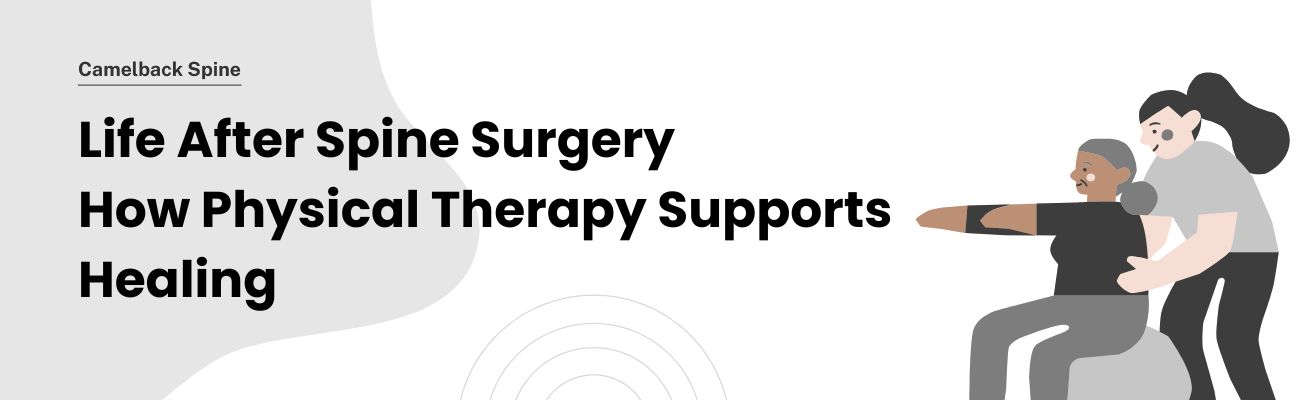
Spine surgery is generally performed to relieve pain, improve stability, or address nerve related issues. Although the surgical procedure itself is a crucial phase, recovery persists once the procedure is finished. The majority of healthcare professionals, including experienced spine surgery specialists highlight physical therapy after spine surgery as an essential part of the overall recovery process.
This article explains the role, benefits, and general expectations of physical therapy following spine surgery in clear, easy-to-understand terms.
What Is Physical Therapy After Spinal Surgery?
Physical therapy after spine surgery involves assisting the body in healing after a surgical intervention on the spine. It focuses on enhancing mobility, strength and functionality while protecting the healing tissues from harm.Licensed physical therapists create programs in collaboration with spine surgeons. The structure and advancement of therapy rely on factors such as the type of surgery, the area of the spine affected and the individual recovery requirements of each patient.
Why Physical Therapy After Spine Surgery Is Essential for Recovery
After spine surgery, patients may experience weakened muscles, stiff joints, and disrupted movement patterns. However, studies suggest that adopting regulated and gradual movement could mitigate these impacts and support a healthier spine surgery healing time.Rehabilitation via physical therapy can provide various advantages, such as the ability to:- Support safe and gradual movement during recovery
- Reduce stiffness and regain lost mobility
- Improve posture and body mechanics
- Encourage a structured return to everyday activities
Healthcare teams often view rehabilitation as a way to bridge the gap between surgery and long-term functional recovery.
Benefits of Physical Therapy After Spine Surgery
Studies and clinical recommendations outline numerous possible benefits of physical therapy after spine surgery when programs are carefully supervised and personalized.
How Physical Therapy Supports Spine Surgery Healing Time
- Pain and inflammation management: Post-surgical discomfort may be managed with manual methods, activity-guidance and gentle mobility.
- Enhanced mobility and flexibility: Gradual exercises can help restore range of motion and reduce stiffness.
- Muscle strengthening: Therapy emphasises the back, core, and supporting muscles to enhance spinal stability.
- Prevention of complications: Research indicates that rehabilitation may help reduce risks such as chronic stiffness, muscle weakening, or movement limitations.
- Improved function and independence: Therapy commonly focuses on daily activities such as walking, sitting, standing, and using stairs.
- Education and confidence: People may feel more comfortable going back to their daily lives if they know how to move safely.
Outcomes vary, and benefits depend on individual factors and compliance to recovery plans.
When Physical Therapy Usually Begins
Physical therapy may begin at different times after spine surgery. Sometimes therapy begins during the hospital stay with basic movements such as walking. In other situations, outpatient treatment may begin a few days or weeks later.
Factors that influence timing include:
- The type and complexity of the surgery
- Overall health and physical condition
- Recommendation from the surgeons and rehabilitation teams.
The start of therapy is usually determined with safety and tissue healing in mind.
Risks of Skipping Physical Therapy
While not everyone has the same recovery experience, some research indicates that skipping or avoiding rehabilitation may result in less than ideal results.
Possible concerns discussed in medical literature include:
- Ongoing stiffness or restricted movement
- Muscle weakness around the spine
- Difficulty returning to daily activities
- Increased dependence on altered movement patterns
Because of these factors, physical therapy after spine surgery is often considered an important component of complete post-surgical care.
Physical Therapy plays an important role in the healing process after spine surgery. Restoring movement, strength and enabling a safe return to daily activities are the goals of research supported rehabilitation. While recovery experiences vary, physical therapy after spine surgery is often viewed as a key step in promoting long-term function and overall quality of life.
If you're planning for spine surgery or recovering from a procedure, having a well-organized recovery plan is frequently an essential part of the process. The spine specialists at Camelback Spine Care, a trusted spine surgeons in Phoenix, support research based recovery plans customized to meet the unique needs of each patient.
For more information on recovery from spine surgery or to schedule a consultation, visit Camelback Spine and talk to a qualified healthcare professional.
FAQs:
1. Is physical therapy after spine surgery always necessary?
Not in every case. However, spine specialists at Camelback Spine often recommend physical therapy when it is appropriate for supporting recovery and function.2. How long does physical therapy usually last after spine surgery?
The length of physical therapy varies. Some patients participate for a few weeks, while others may continue longer based on their procedure and recovery progress.3. Is physical therapy painful after spine surgery?
Physical therapy is typically gradual and adjusted to each patient’s comfort level. Some discomfort may occur, but programs focus on safe movement during recovery.4. How does physical therapy fit into care at Camelback Spine?
Physical therapy is commonly considered as part of a comprehensive recovery approach guided by the spine specialists at Camelback Spine.Published on 19 Dec, 2025