What Exactly Is Persistent Lower Back Pain?
The "Sitting Tax" Explained: Why Your Chair Is Costing You
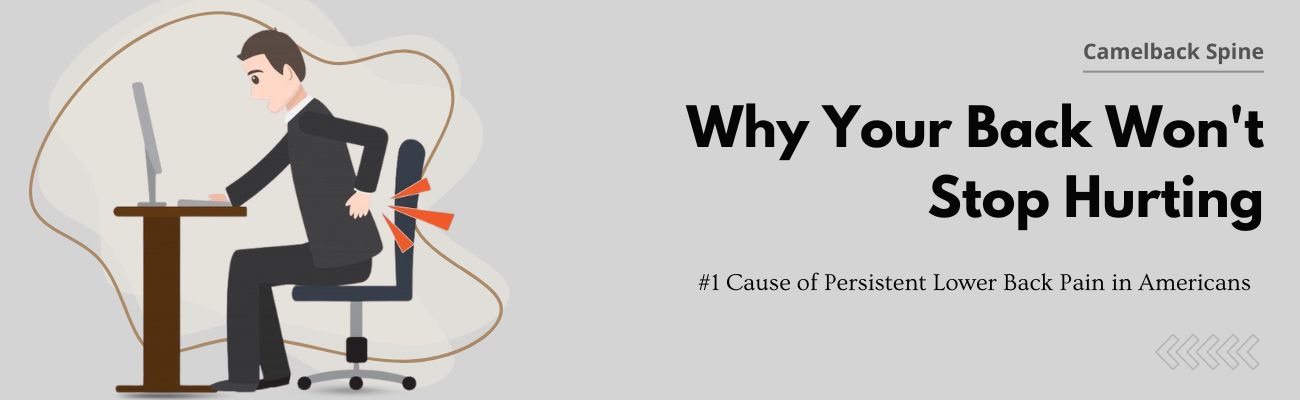
Prolonged Sitting Overloads the Lumbar Spine
- There is uneven compression of the lumbar discs, which enhances the chances of herniation.
- Hip flexor muscles shorten and tighten, pulling the pelvis forward and straining the lumbar joints.
- Core stabilizing muscles disengage, leaving the spine unsupported.
- Glute muscles weaken, transferring load directly to the lower back.
The Main Cause of Lower Back Pain: Breaking It Down
1. Muscle Strain and Ligament Sprains
2. Lumbar Disc Degeneration
3. Herniated or Bulging Discs
4. Postural Imbalances
5. Sedentary Lifestyle and Deconditioning
Causes of Lower Back Pain in Women: A Specific Look
- Hormonal fluctuations during menstruation, pregnancy, and menopause relax ligaments and destabilize the lumbar joints.
- Pregnancy-related postural shifts place enormous pressure on the lumbar spine and sacroiliac joints.
- Endometriosis is a frequently missed cause of chronic pelvic and lower back pain in women.
- Osteoporosis makes the vertebral bones weaker over time, increasing fracture risk and chronic pain.
- IBS and visceral referred pain, as we've covered in prior posts, can create persistent lumbar discomfort alongside digestive symptoms
What Are the Causes of Sudden Lower Back Pain?
- A sudden awkward twist, up or down
- Muscle spasm triggered by a slight movement in an already-strained back.
- Kidney stones (which refer pain to the lower back)
- A lumbar disc that finally gives way after years of pressure buildup
What are the causes of sudden lower back pain that shouldn't be ignored? Pain accompanied by leg numbness, bowel or bladder dysfunction, fever, or unexplained weight loss all signal something more serious and warrant immediate medical evaluation.
How to Reduce the "Sitting Tax" on Your Spine
- Follow the 30/5 rule — stand or move for at least 5 minutes every 30 minutes of sitting.
- Strengthen your core — exercises like the bird-dog, plank, and dead bug train lumbar stabilizers without compressive loading.
- Stretch your hip flexors daily — a tight iliopsoas muscle is one of the most consistent contributors to the main cause of lower back pain in desk workers.
- Invest in ergonomic seating — lumbar support at the natural curve of your lower back significantly reduces disc pressure (Mayo Clinic)
- Work with a physical therapist — a personalized movement assessment can identify your specific pattern of dysfunction before it becomes a chronic problem.
When to See a Spine Specialist
- Pain persists beyond 4–6 weeks despite rest and home management.
- You notice weakness, numbness, or tingling in the legs.
- Pain is severe, sudden, or follows a fall or injury.
- You are experiencing any of the five red flags described in our FAQ section below.
FAQs:
1. What is the main cause of lower back pain in men?
The main cause of lower back pain in men is lumbar muscle strain, often triggered by heavy lifting, poor posture, or prolonged sitting. Degenerative disc disease and herniated discs are also leading contributors, particularly in men over 40 who lead physically demanding or sedentary lifestyles.2. What are the Big 3 back pain exercises?
The Big 3 back pain exercises, developed by spine biomechanist Dr. Stuart McGill, are the curl-up, bird-dog, and side plank. These movements are clinically designed to stabilize the lumbar spine and are widely prescribed by physiotherapists to address common causes of lower back pain.3. What are 5 red flags of lower back pain?
Five red flags of lower back pain are: sudden pain after trauma, unexplained weight loss, loss of bladder or bowel control, progressive leg weakness or numbness, and pain that worsens at rest or at night. These symptoms require immediate evaluation by a spine specialist.4. Can poor posture be the main cause of lower back pain?
Yes, poor posture — especially prolonged sitting with a forward-slouched spine — is one of the most documented causes of lower back pain. It increases lumbar disc pressure, weakens core stabilizers, and creates chronic muscle imbalances that contribute to persistent, painful lower back discomfort.5. What are the most common causes of lower back pain in women?
The most common causes of lower back pain in women include hormonal changes, pregnancy-related pelvic strain, endometriosis, and osteoporosis. Sedentary work habits and wearing unsupportive footwear also contribute significantly. Women are more likely than men to experience IBS-related referred pain in the lower back.Published on 17 Apr, 2026