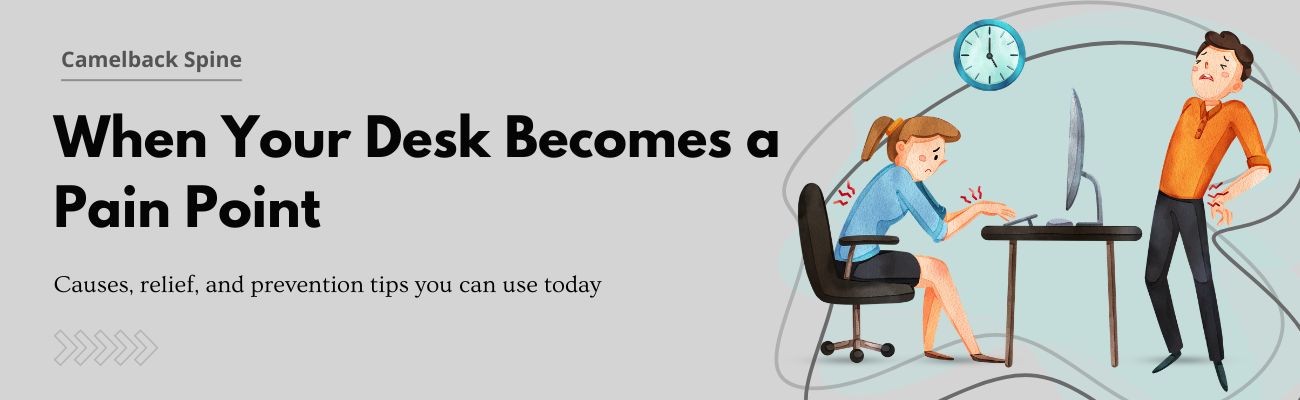
Why Back Pain at Work Is More Common in 2026
10 Expert Tips to Prevent Back Pain at Work
- Adjust your chair and monitor height so your feet rest flat on the floor and your screen sits at eye level, reducing forward-leaning strain on the spine.
- Use lumbar support A small cushion or rolled towel behind the lower back helps maintain its natural curve during long sitting sessions.
- Take movement breaks every 30 minutes Standing, stretching, or walking briefly keeps blood flowing to spinal tissues and prevents stiffness from setting in.
- Practice gentle stretches, such as seated spinal twists or standing back extensions, to release tension that builds up from back pain at work.
- Strengthen your core through low-impact exercises like walking or light resistance training, since stronger core muscles better support the spine.
- Apply proper lifting technique Bend at the knees, not the waist, and keep loads close to the body to avoid straining the lower back.
- Alternate sitting and standing throughout the day, since staying in one static position for too long seated or standing increases spinal pressure.
- Set a posture-check reminder every hour, since slouching tends to happen gradually and often goes unnoticed until discomfort sets in.
- Improve your home workstation if you work hybrid hours, since couches and kitchen tables offer little spinal support compared to a proper desk setup.
- Manage workplace stress Chronic stress triggers involuntary muscle tension in the neck and back, often compounding posture-related back pain at work.
Mistakes That Make Back Pain Worse
Even well-intentioned employees sometimes make small mistakes that quietly worsen back hurts from work over time. Recognizing these habits is just as important as adopting new ones.
- Ignoring early warning signs. Mild stiffness that's brushed off often progresses into chronic discomfort if posture and habits aren't corrected early.
- Ramping up exercise too quickly. Sudden, intense workouts after weeks of inactivity can strain muscles that have weakened from prolonged sitting.
- Relying on painkillers instead of posture fixes. Medication can mask symptoms temporarily but doesn't address the underlying mechanical strain causing back pain at work.
- Skipping warm-up movements before physical tasks. Lifting or bending without first loosening tight muscles increases the risk of sudden strain or injury.
Avoiding these missteps, alongside the prevention tips above, gives the spine a better chance to recover and stay resilient through demanding workdays.
Building These Tips Into a Daily Routine
When to See a Doctor
FAQs:
1. Why does my back hurt from work every day?
Back hurts from work daily usually due to poor posture, prolonged sitting, or an improperly set up workstation. Repeated strain on spinal muscles and discs without enough movement breaks leads to ongoing tension, stiffness, and discomfort that builds throughout the workday.2. How can I relieve back pain at work without leaving my desk?
Relieve back pain at work by adjusting chair height, adding lumbar support, and stretching every 30 minutes. Simple seated stretches and posture corrections reduce muscle tension without requiring you to step away from your workstation.3. Is sitting all day bad for your back?
Yes, sitting all day strains the back by increasing pressure on spinal discs and weakening core muscles. Limited movement reduces blood flow to spinal tissues, making prolonged sitting a leading contributor to back pain at work.4. What is the best chair position to prevent back pain at work?
The best chair position keeps feet flat, knees at hip height, and lower back supported by a lumbar cushion. This alignment maintains the spine's natural curve, reducing strain during long periods of sitting at a desk.5. Can stress cause back pain at work?
Yes, stress can cause back pain by triggering involuntary muscle tension, especially in the neck, shoulders, and lower back. Chronic workplace stress often compounds physical strain, making posture-related back pain feel more intense.Published on 30 Jun, 2026